Should Your Awards Ceremony Go Hybrid? What to Weigh Up First
Should your awards ceremony be hybrid, or is an in-person only format the right call? There is no single correct answer, since it depends on your audience, budget, and what you are trying to achieve. Our awards event services team is regularly asked this question at the very start of planning, before a venue or format has been decided, and this guide sets out the factors worth weighing up before you commit either way.
If you already know you want an in-person only ceremony, our guide on how to plan an awards night covers the full planning process. If you are still deciding, read on.
















What Does a Hybrid Awards Ceremony Actually Involve?
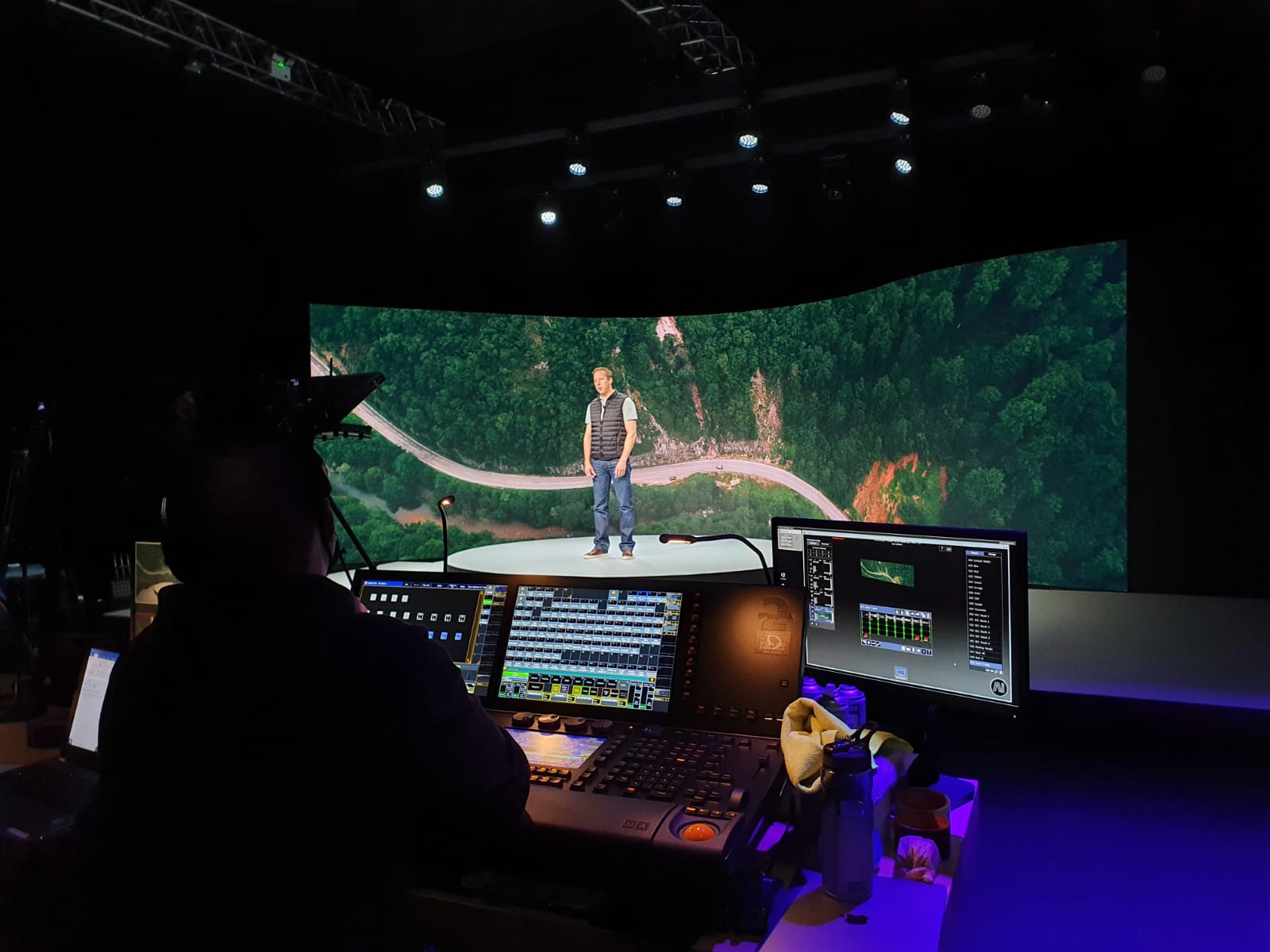
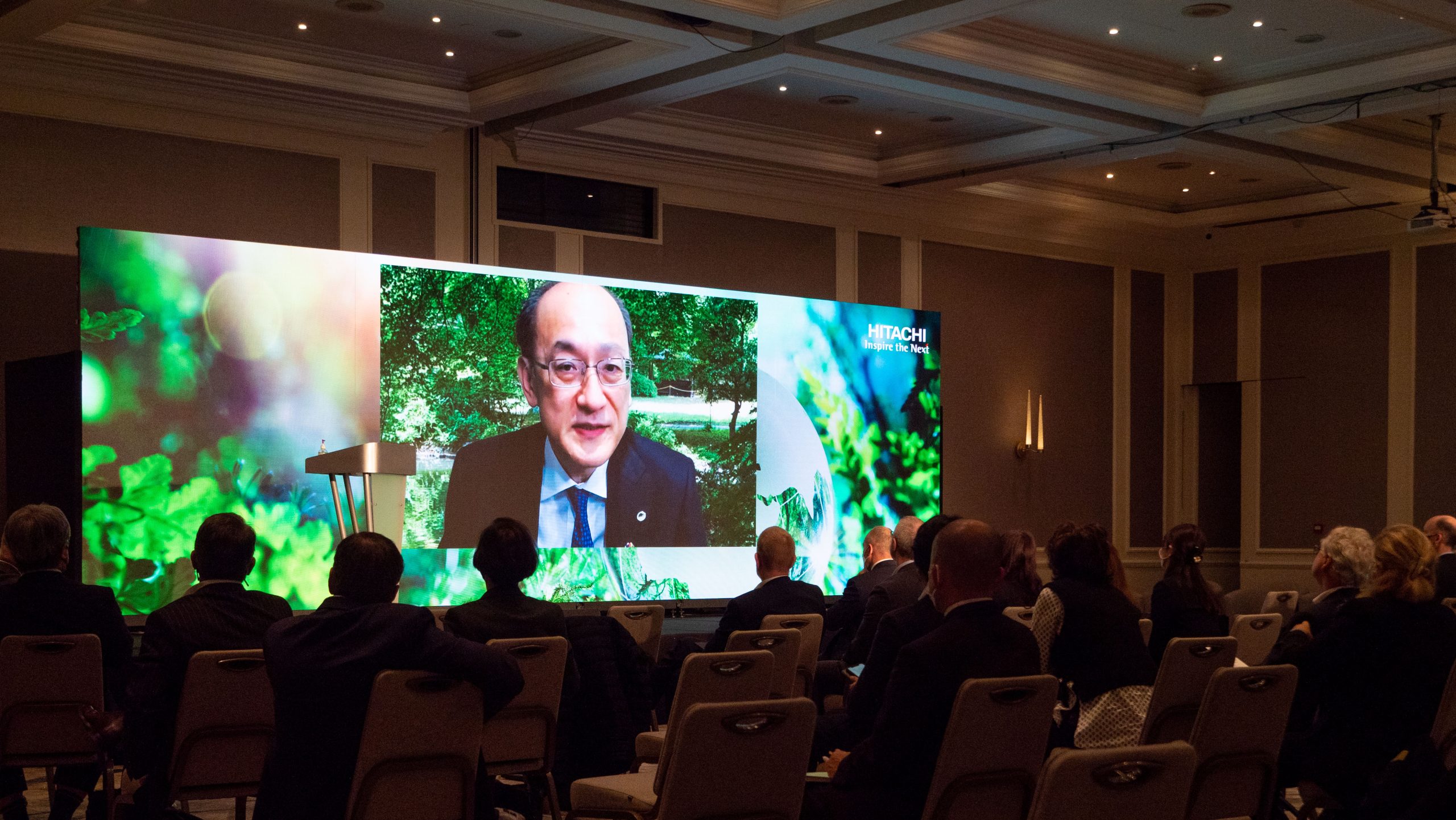
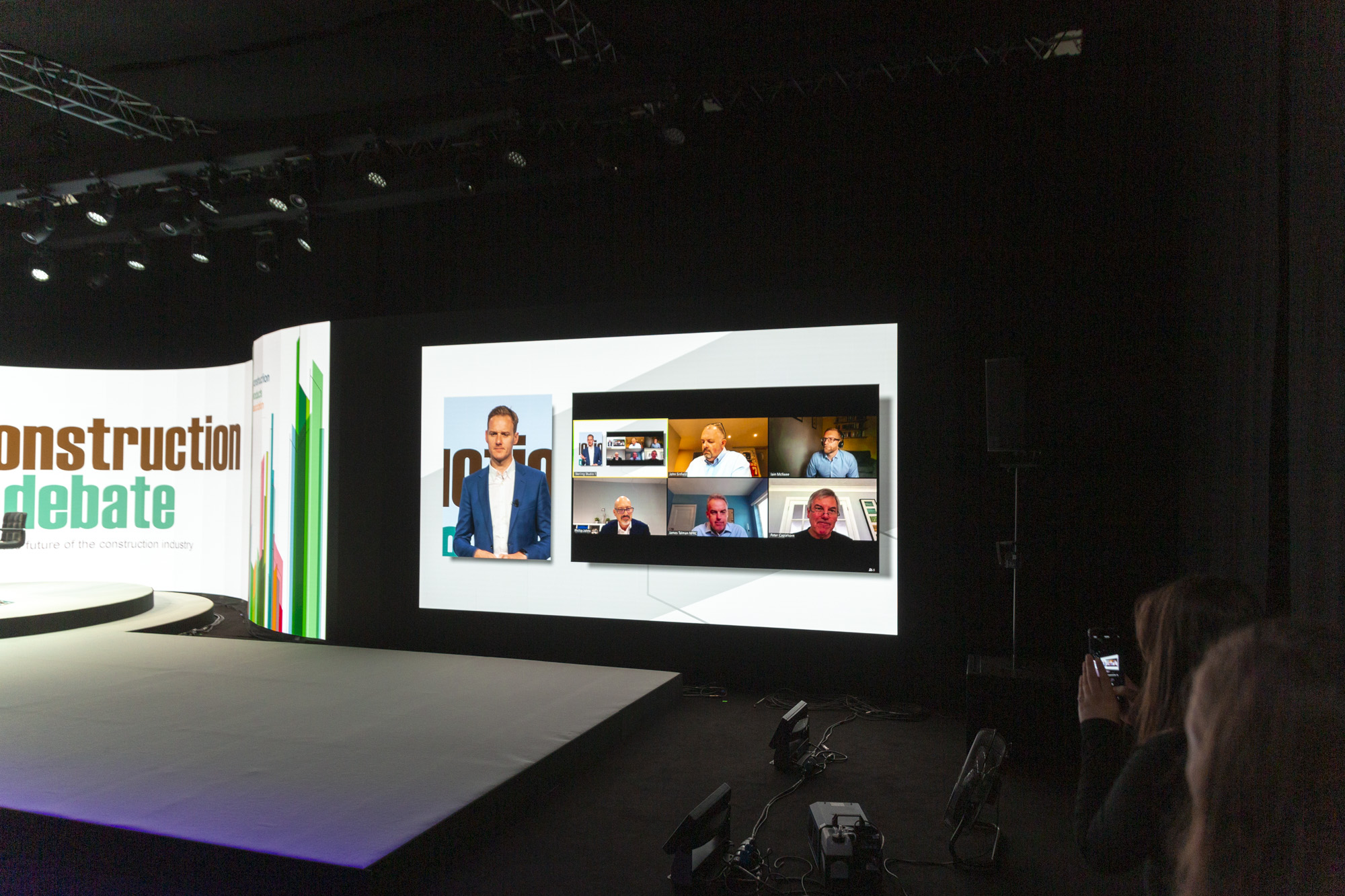
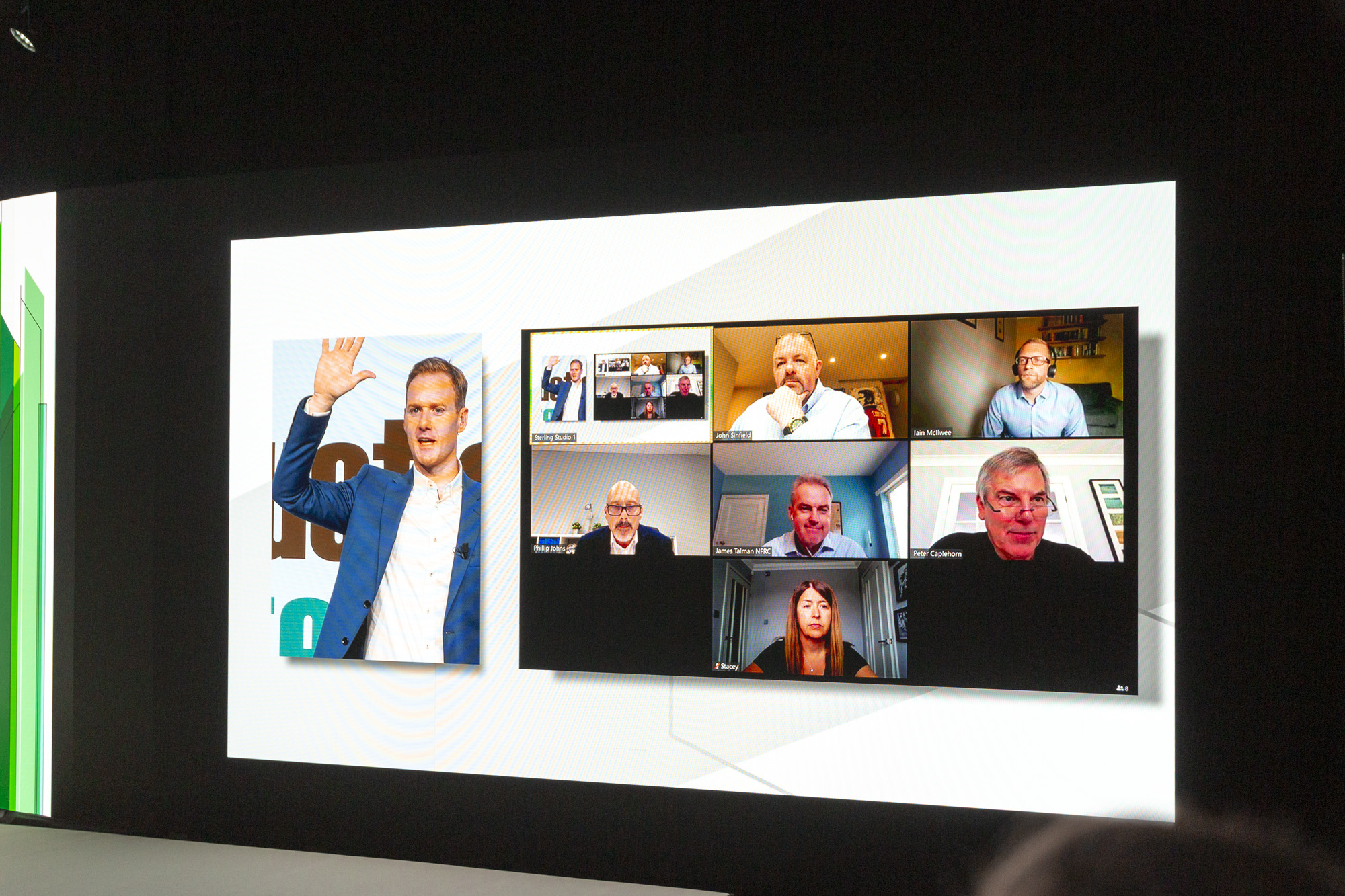
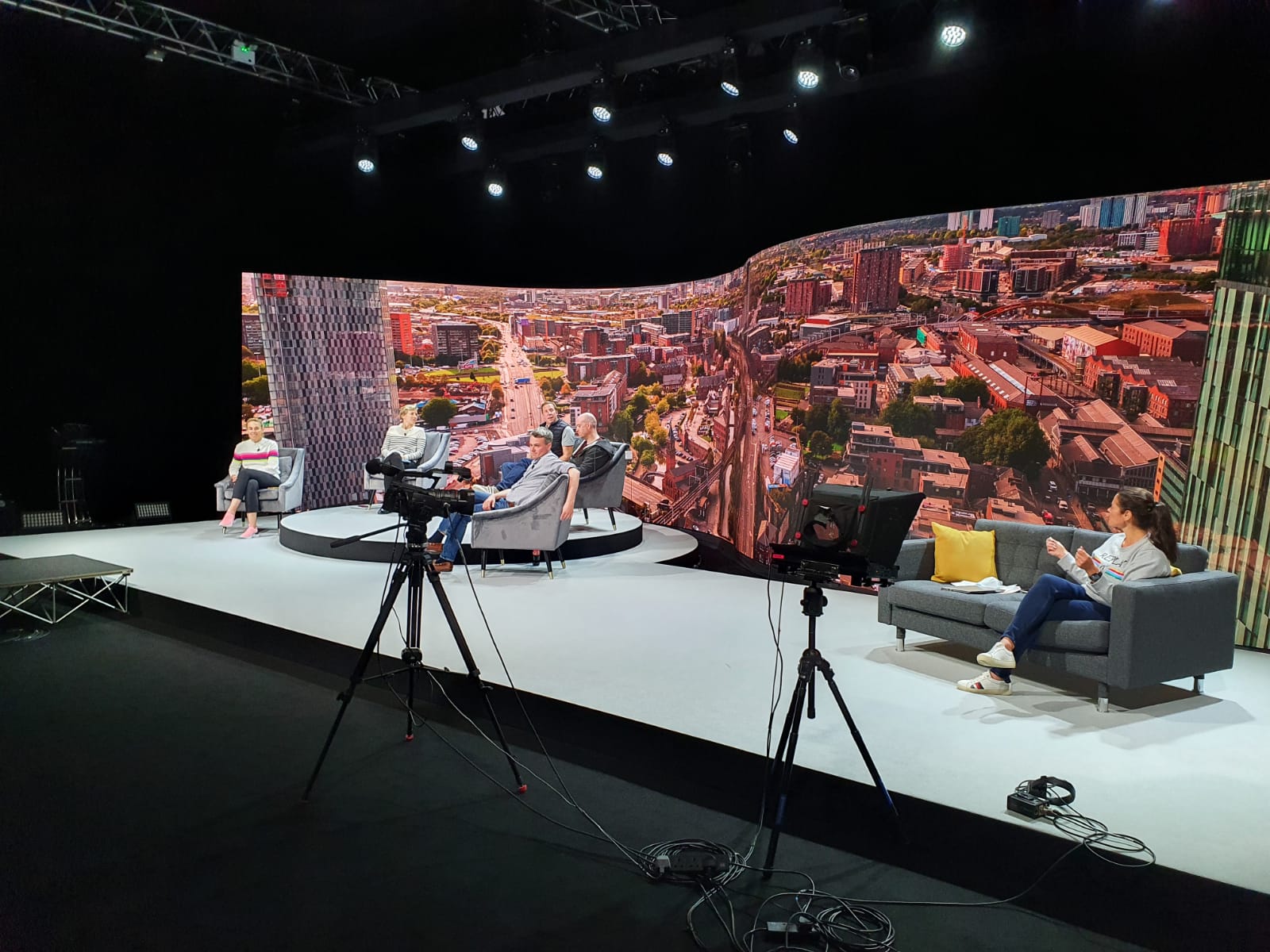
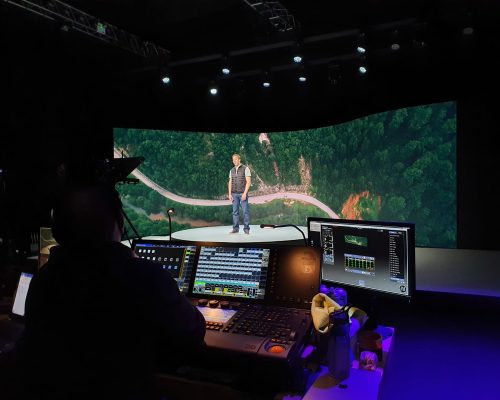
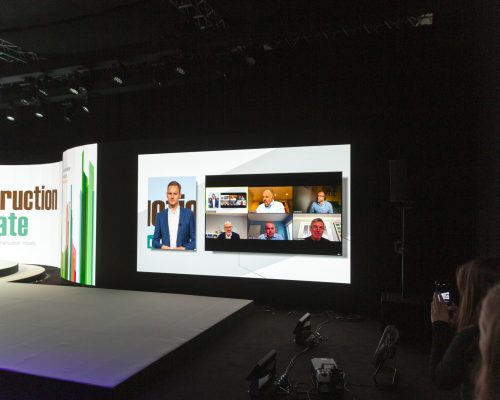
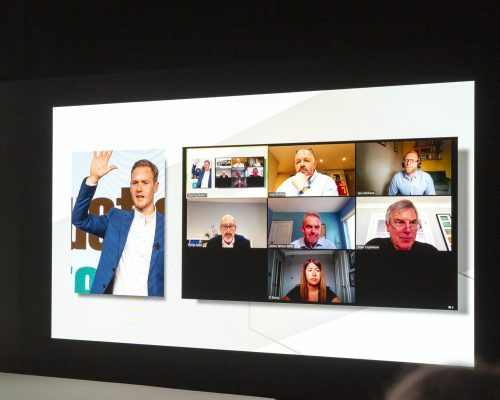
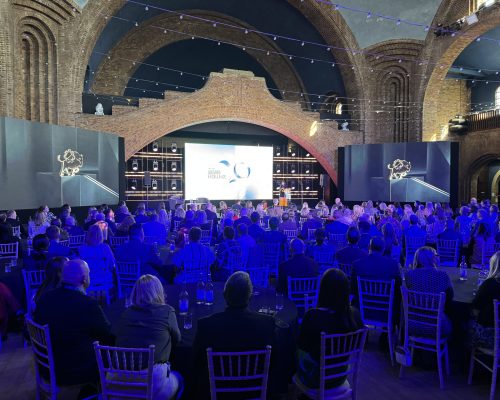
A hybrid awards ceremony combines an in-person event with a live online element for guests who cannot attend physically. In practice, this typically means additional camera coverage, a livestream or dedicated online platform, and content designed to work for both audiences at once, rather than simply pointing a single camera at the stage.
This is a meaningfully bigger undertaking than adding a webcam to an existing in-person plan, which is one of the first things worth understanding when weighing up in-person vs hybrid awards ceremony options.
Here is how the two formats compare at a glance, before the sections below unpack each factor in more depth.
| Factor | In-Person Only | Hybrid |
|---|---|---|
| Audience reach | Limited to those who can attend | Can extend to remote stakeholders, teams, or a wider industry audience |
| Budget | Standard event production costs | Typically higher, with additional cameras, streaming infrastructure, and content built for two audiences |
| Production complexity | Standard event planning and rehearsal | Greater, with tighter timing, added technical risk, and more thorough rehearsal |
| Guest experience | Full focus on the room throughout | Needs careful planning so the in-person experience is not visibly compromised |
Audience Reach: Who Actually Needs to Watch Remotely?
The starting point for this decision is your audience, not the format itself. Ask honestly how many people who matter to your ceremony genuinely cannot attend in person, and why.
Hybrid tends to make the most sense when:
- Your organisation is genuinely geographically dispersed, with meaningful numbers of colleagues, clients, or stakeholders who cannot realistically travel.
- You want to extend recognition beyond the room, for example to award winners’ wider teams or family members.
- The ceremony has a public or industry-facing element where a broader online audience adds genuine value.
Hybrid tends to add cost without adding much value when:
- Your audience is largely local or already expected to attend in person.
- The remote audience would be small enough that a simple recording, shared afterwards, would serve the purpose just as well.
Budget: What Does Hybrid Actually Add?
Is a hybrid awards ceremony right for us often comes down to budget as much as audience need. Hybrid production typically adds cost in several areas beyond a standard in-person set-up.
Additional camera and production crew. Broadcast-quality online coverage generally needs more cameras and a dedicated production team beyond what an in-person only ceremony requires.
Streaming infrastructure. This includes a reliable platform for the online audience, sufficient upload bandwidth at the venue, and backup streaming and technical contingency if something goes wrong during the live broadcast. Many venues have strong conference Wi-Fi but limited upload capacity for professional streaming, so this is worth testing in advance rather than assuming.
Content built for two audiences at once. Award graphics, screen content, and pacing may need adjusting so they work both in the room and on screen, which is additional design and production work rather than a straightforward add-on.
Additional staffing. Managing an online audience, moderating any online interaction, and troubleshooting technical issues often requires additional staff or production resource separate from those running the in-person event.
As a general guide, hybrid production can meaningfully increase your overall budget compared with an equivalent in-person only ceremony, so it is worth weighing this against how much genuine value the online audience adds to your specific event.
Production Complexity: What Changes on the Night
Beyond cost, hybrid formats add genuine complexity to delivering the event itself.
Timing becomes less flexible, since a live online audience usually leaves less flexibility to recover from delays without it being obvious. Technical failure carries higher stakes, since a lighting or sound issue that is a minor blip for the room becomes a visible problem for anyone watching online. Rehearsal and technical run-throughs typically need to be more thorough, since there is less room to fix things on the fly once the ceremony is live to two audiences at once.
None of this makes hybrid impractical, but it does mean the event needs to be planned as a hybrid production from the outset, rather than treating the online element as an afterthought bolted onto an in-person plan.
Guest Experience: What Changes in the Room
A well-planned hybrid ceremony should not feel noticeably different to guests in the room, but this takes deliberate effort to achieve.
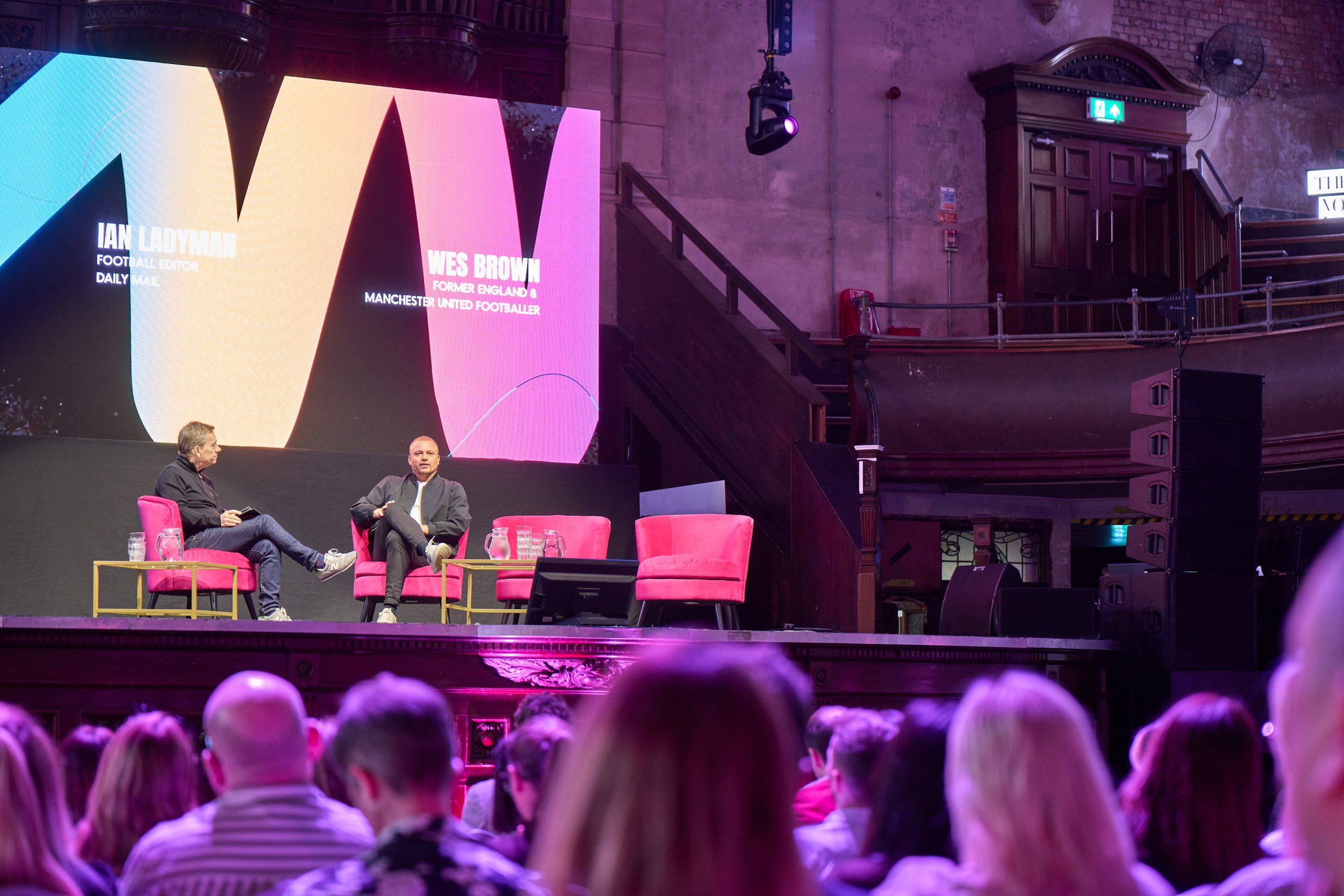
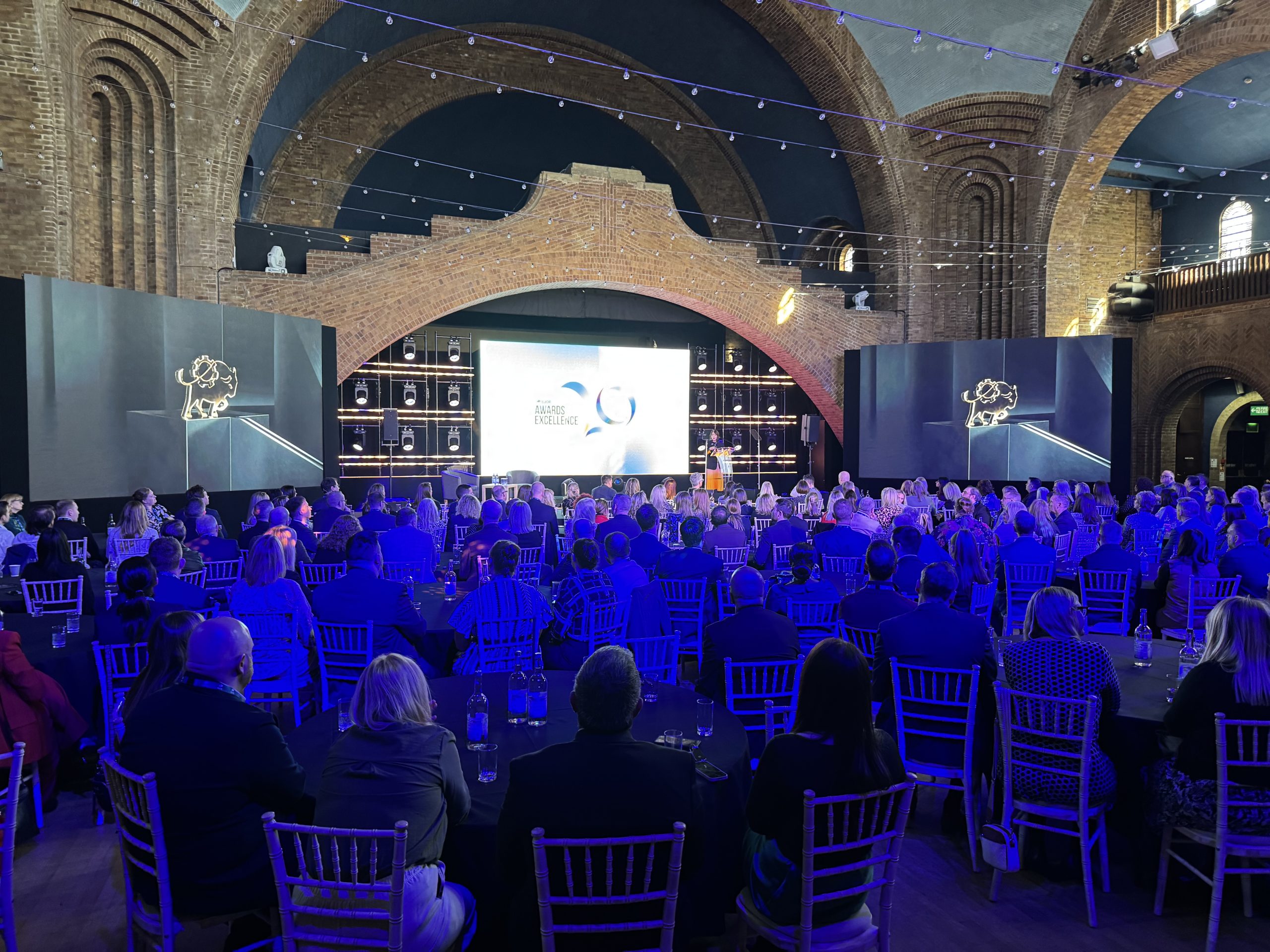
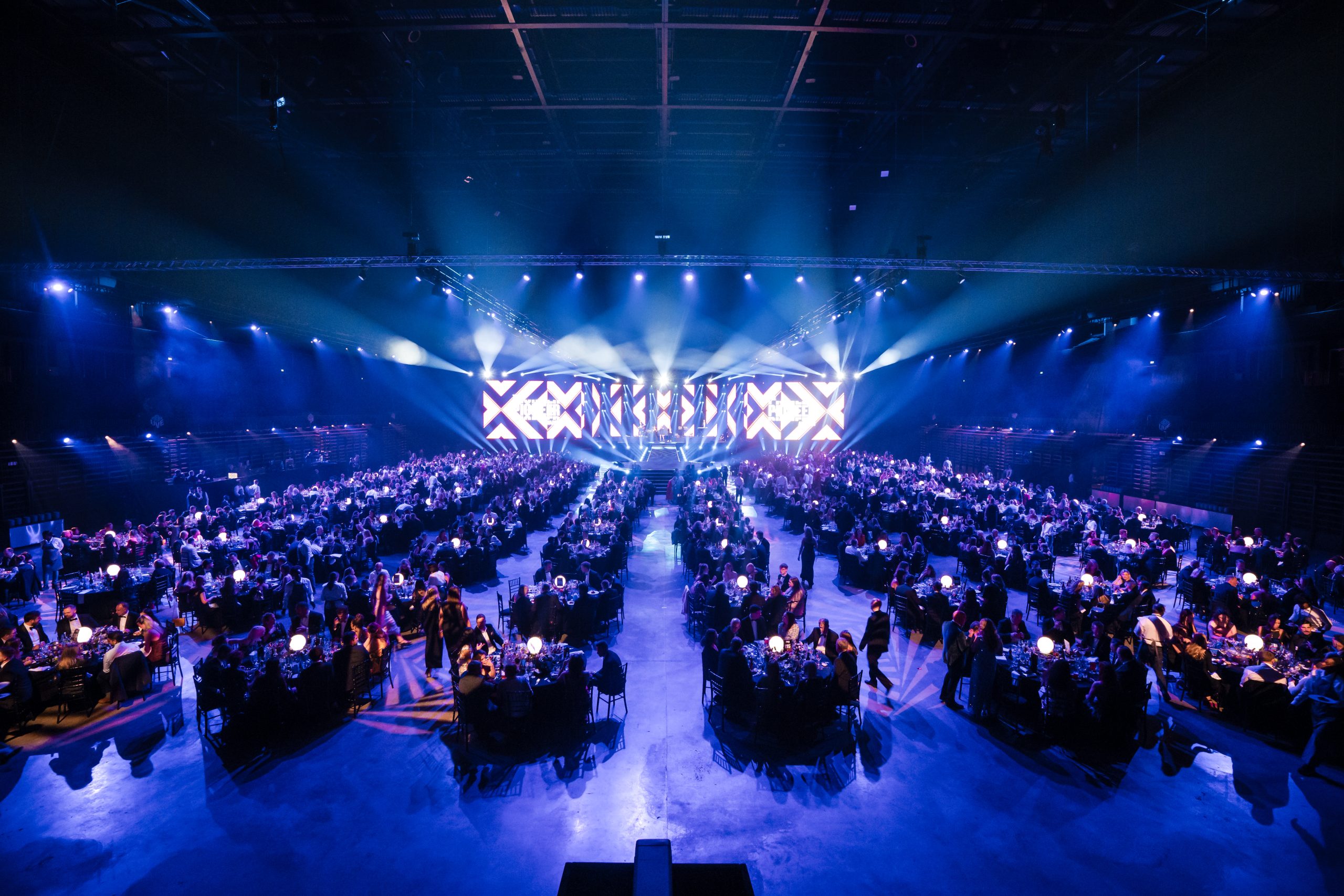
Camera positions and crew need to be planned so they do not obstruct sightlines or feel intrusive. Lighting decisions sometimes need to balance what works for the room against what reads well on camera. The pacing of the evening, including how winners are announced and how long each moment runs, may need adjusting slightly to work for both audiences without the in-person guests feeling like they are watching a broadcast rather than attending a celebration.
Getting this right is one of the clearest differences between a hybrid ceremony that feels seamless and one where the online production visibly gets in the way of the in-person occasion.
A Simple Way to Weigh It Up
If you are still undecided, it can help to answer these questions honestly before committing to a format:
- How many people who genuinely matter to this ceremony cannot attend in person?
- Would a simple recording shared afterwards achieve most of the same value as a live online element?
- Does our budget comfortably stretch to additional production, or would a hybrid element mean compromising elsewhere?
- Do we have enough lead time to plan and rehearse a hybrid production properly, rather than adding it at the last minute?
If the answers point clearly toward a genuinely dispersed, engaged remote audience and a budget that supports proper production, hybrid can be a strong choice. If the honest answer is that very few people would actually watch online, an in-person only ceremony, supported by good photography and a highlights video afterwards, is often the more effective use of budget. A growing middle ground is holding the ceremony in-person only for attendees, then making an edited recording available afterwards for wider viewing, which gives many of the reach benefits of hybrid without the full cost and complexity of a live online production.
Our guide on hybrid conference planning covers similar production principles in more depth if you want to understand what hybrid delivery involves before deciding.
Frequently Asked Questions About Hybrid Awards Ceremonies
Should our awards ceremony be hybrid or in-person only? This depends on your goals. Hybrid can extend reach to audiences who cannot attend in person, but it adds production complexity and cost, so it tends to suit organisations with a genuinely dispersed audience rather than being a default choice.
Is a hybrid awards ceremony more expensive than an in-person only event? Generally yes, since hybrid requires additional production elements such as streaming quality video, dedicated online hosting, and content built to work for both audiences, though the added cost varies depending on the scale of the online element.
Does a hybrid format reduce the atmosphere of an in-person awards ceremony? It can, if not planned carefully, since production crews, cameras, and additional technical requirements are present in the room. A well-planned hybrid ceremony designs around this so the in-person experience is not visibly compromised.
What is the simplest alternative to a full hybrid ceremony? Recording the in-person ceremony and sharing a highlights video or full recording afterwards gives a wider audience access to the event without the added cost and complexity of a live hybrid production.
Talk Through Your Format With an Experienced Team
Whether your instinct is toward hybrid, in-person only, or you are still genuinely undecided, talking it through early with an experienced team helps you make the right call before committing to a venue or budget. Get in touch with Make Events to talk through your awards ceremony and the format that will serve it best.