
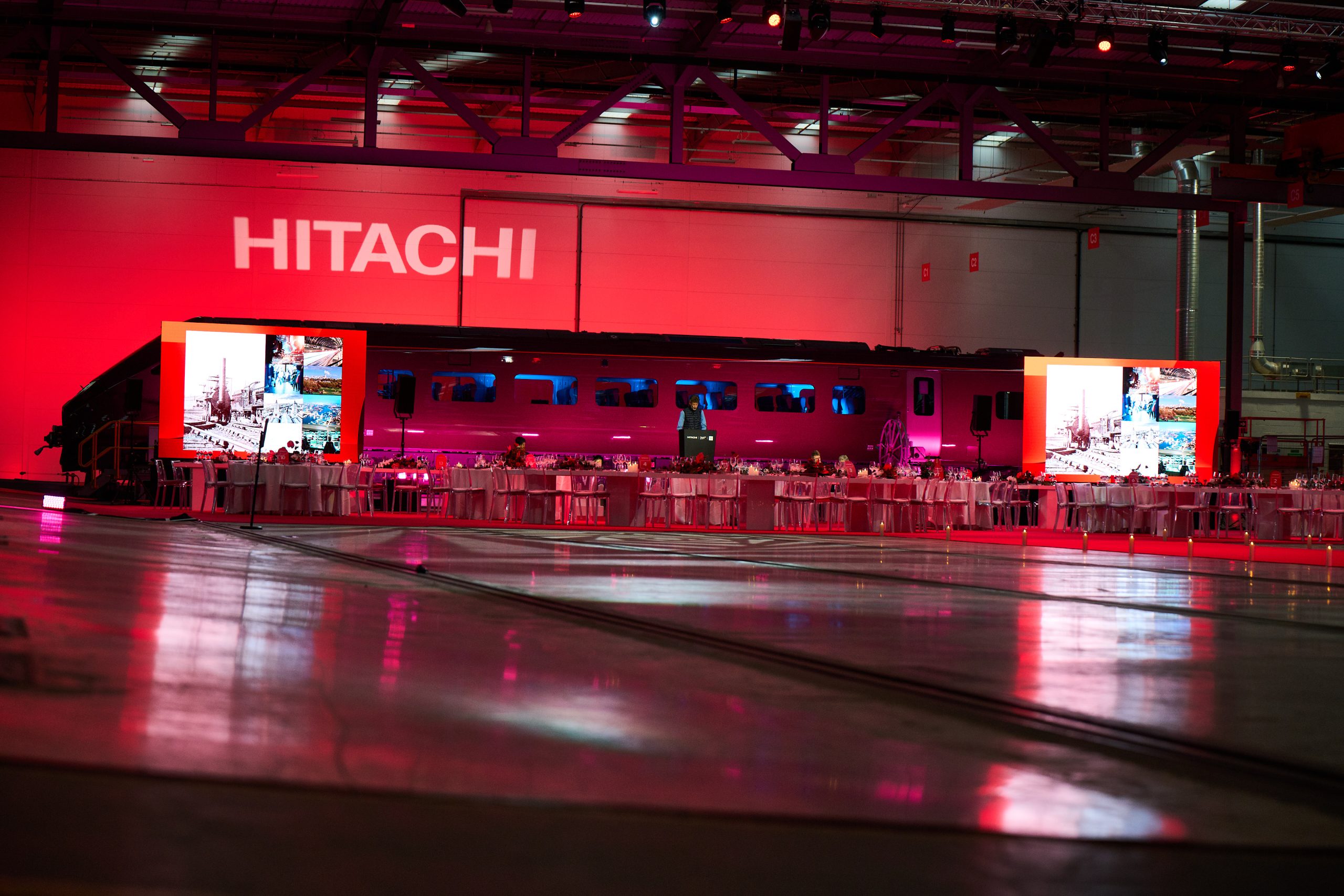
There’s a big difference between an event that looks impressive and an experience that actually makes people feel something.
Experiential events have become one of the most powerful ways for brands to connect with their audiences. Done well, they take a brand message off the screen and turn it into something people can see, touch, experience and remember.
But there’s a temptation to think bigger automatically means better. Bigger build. Bigger production. Bigger photo opportunity.
The reality? The most successful brand experiences aren’t always the biggest. They’re the ones with a clear purpose, a strong understanding of their audience and an experience that feels genuinely connected to the brand.
Here are some of the biggest mistakes we see brands make, and what to do instead.


1. Putting the spectacle before the strategy
A huge installation might look incredible. A dramatic entrance might generate plenty of content. But if you can’t answer the question “why are we doing this?”, you’ve got a problem.
One of the biggest mistakes with experiential events is starting with the creative idea before defining what the experience needs to achieve.
Is the goal to launch a product? Build brand awareness? Generate leads? Create social content? Change perceptions? Get people talking?
The creative should come from the objective, not the other way around.
At Make Events, we start by understanding the brand, audience and ambition before we get into the big ideas. That’s how you create experiences that look great while actually doing a job.
Because impressive for impressive’s sake isn’t really the point.
2. Designing for the camera, not the audience
We all want the hero shot. The Instagram moment. The installation that makes people stop scrolling.
But an experience designed purely to look good online can quickly become just that: something that looks good.
The best experiential events are designed around the people experiencing them. What will make someone stop? What will make them want to get involved? What will make them stay? And, most importantly, what do you want them to feel when they leave?
That means thinking about the entire audience journey, from the first thing they see to how they interact with the brand and what they take away afterwards.
And never underestimate the people delivering the experience. Your event team, hosts and brand ambassadors are part of the brand. A beautiful space means very little if the human interaction feels disconnected.
People remember how an experience made them feel. Make sure every touchpoint delivers on that.
3. Treating the event as a one-off
The doors open. The experience happens. The guests leave. Everyone packs down.
Job done?
Not quite.
One of the biggest missed opportunities with experiential events is failing to think beyond the live moment. Your event should have a life before, during and after it happens.
Build anticipation before the event. Think about how you’ll capture content on the day. Consider how guests can share their experience. Think about PR, social, influencer partnerships, CRM and how the content you create can continue working long after the physical activation has disappeared.
This is where experiential becomes much more than a one-day marketing activity.
A strong experience can create weeks or even months of content, conversations and brand engagement, if you plan for that from the start.
4. Choosing the wrong place to make your impact
Location can make or break an experiential campaign.
The biggest audience isn’t necessarily the right audience. A high-footfall location might look impressive on paper, but if the people walking past have little relevance to your brand, you could be spending a lot of money talking to the wrong people.
Think about where your audience actually spends time, how they behave in that environment and what you want them to do next.
The right location should support the experience, not simply provide a large number of people to count.
And don’t forget the practical side. Permissions, access, staffing, production, power, footfall patterns and the physical flow of people all need to be considered before you fall in love with a location.
5. Measuring how many people turned up and stopping there
Footfall is useful. But it’s not the whole story.
If 10,000 people walk past your activation but nobody stops, interacts, remembers your brand or takes the next step, was it really successful?
Before you start planning, decide what success actually looks like.
That might be engagement, dwell time, leads, product trials, sales, social content, sentiment, brand recall or earned media. The right metrics will depend on the objective.
The same goes for experimental events and more unusual brand experiences. Just because something is new or unexpected doesn’t automatically make it successful.
The most effective events combine creativity with measurement. You should know what you’re trying to achieve, how you’ll measure it and what you’ll learn from it.
Make the experience count
The best experiential events don’t simply create a moment. They create a connection.
That means putting strategy behind the creativity, designing around your audience, thinking beyond the event itself and measuring what actually matters.
At Make Events, we create brand activations and experiential experiences designed to get people talking, sharing and connecting with brands. From the initial creative strategy and experience design through to production, logistics and measurement, we look at the whole journey.
Because a great idea is only the beginning.
If you’re planning an experiential event and want to turn a big idea into something people genuinely remember, get in touch with Make Events and let’s make it happen.


