Choosing the right venue for a corporate awards night is one of the most consequential decisions in the entire event planning process. Get it right and the venue does half the work for you – the atmosphere, the layout, and the logistics all pull in the same direction. Get it wrong and you are spending the rest of your planning time compensating for a space that was never quite suited to what you needed.
This guide covers everything worth considering when evaluating venues for a corporate awards evening: from the practical infrastructure to the less tangible qualities that make a room feel like a genuine occasion.
Capacity and room layout for awards
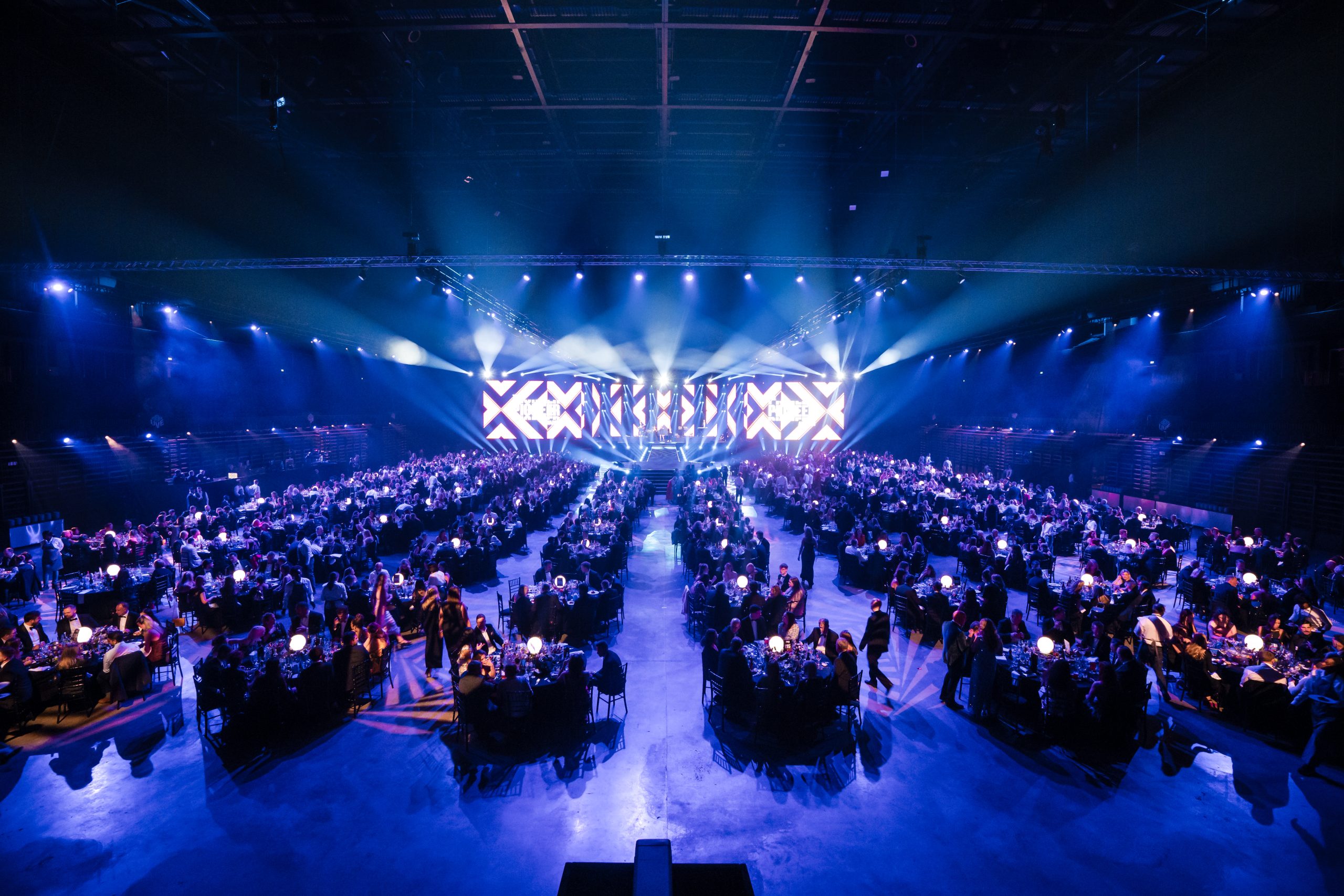
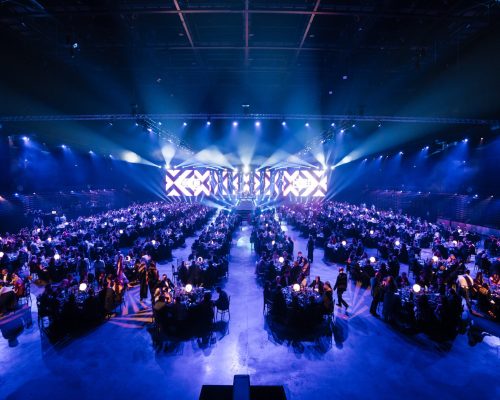
Awards nights have specific layout requirements that differ from conferences, dinners, and other corporate events. You need a clear stage with good sightlines from every seat. You need round tables that encourage conversation during the dinner but still face a focal point. You need enough space between tables for people to move to and from the stage without disrupting proceedings.
Start with your numbers. The capacity figures that venues quote are often based on theatre-style or standing configurations, not round-table dining with a stage. A room that holds 600 for a conference may only comfortably seat 350 for a gala dinner with a proper awards set-up. Always ask specifically for the capacity in a banqueting round-table layout with a stage.
Consider also how the room flows. Is there a natural arrival and drinks reception space that feeds into the main room? Is there a separate area for a post-awards celebration, or does everything happen in one room? The best awards evenings have a sense of journey – arrival, build, main event, celebration – and the venue layout should support that structure rather than flatten it.
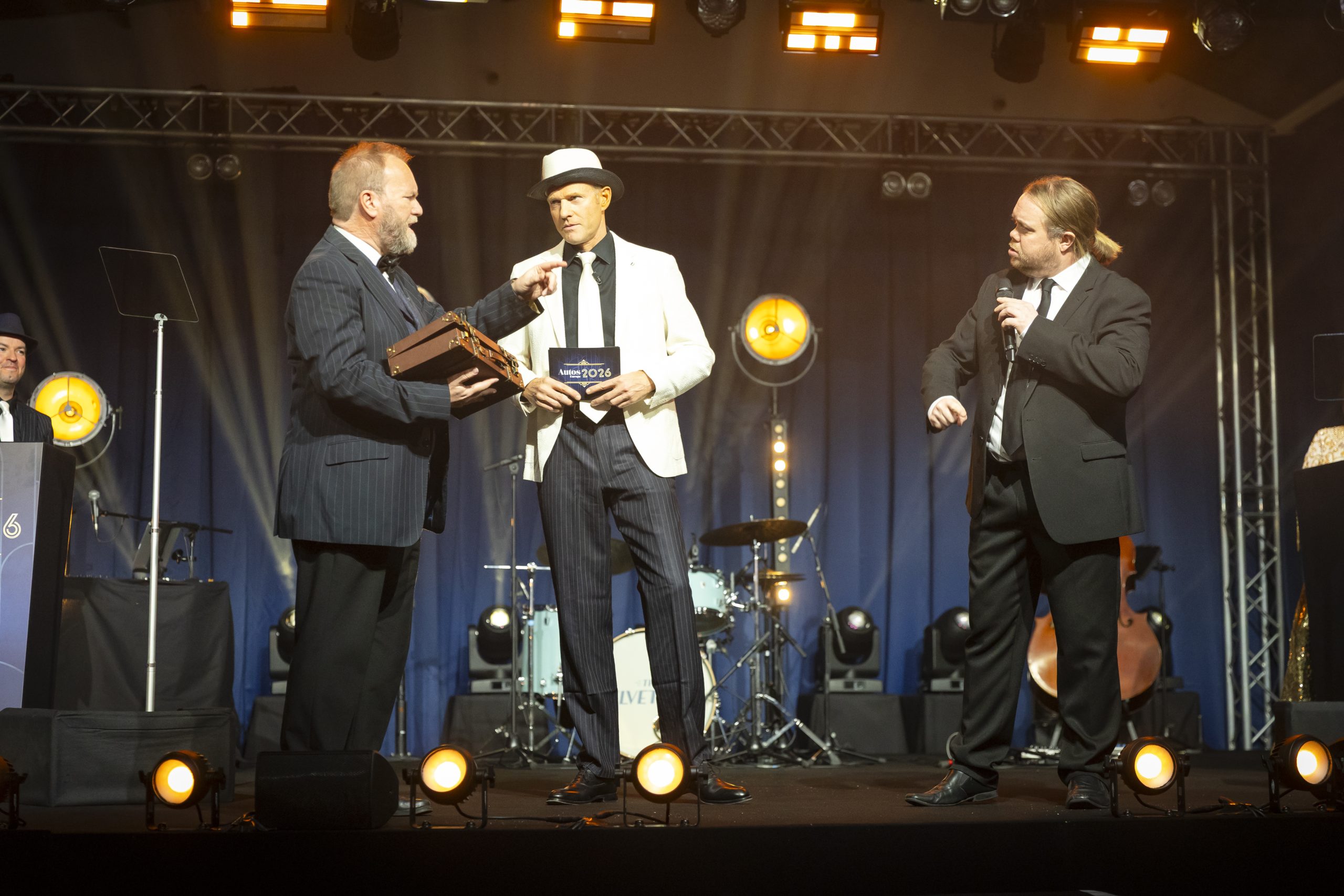
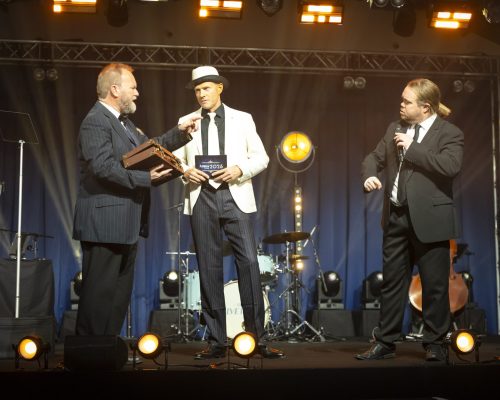
Be clear about the stage size you need. A presenting position with a lectern and two presenters is one thing. A stage large enough for a live band, a full production backdrop, and multiple award categories playing out across an evening is another. Measure it, do not assume.


Stage, lighting and AV infrastructure
The technical infrastructure of a venue is one of the areas that most frequently catches event planners out, particularly those who have not produced awards events before. A beautiful room with poor rigging points, inadequate power supply, or a restricted loading bay can turn a straightforward production into an expensive problem.
Rigging. For a properly produced awards night, you will want to hang lighting rigs, screens, and potentially scenic elements above the stage. This requires adequate rigging points at the right positions and at the right load capacity. Ask specifically about this – many historic or period venues have limitations that are not immediately obvious.
In-house AV versus external production. Some venues require you to use their in-house AV supplier, which can limit what is possible and at what cost. Others allow you to bring in your own production company, which gives you more creative flexibility. Understand the terms before you sign anything.
Screens and projection. For an awards night, visibility of the award graphics, winner videos, and category photography matters to the delegate experience. Understand where screens can be positioned and whether the venue’s ambient light levels allow for good projection quality, or whether LED screens are required instead.
Sound. A room with challenging acoustics – hard surfaces, high ceilings, unusual shapes – can undermine even a well-produced event. Ask about the acoustic profile of the room and what the in-house or preferred sound supplier recommends for the configuration you need.
Power supply. Full production requires significant power. Check that the venue has adequate supply for lighting, sound, screens, and any entertainment, and understand where power access points are relative to where you need them.
Catering and drinks packages
An awards evening is a full hospitality experience, and the food and drink are as much a part of the event as the ceremony itself. Guests notice when catering is exceptional and they notice when it falls short.
Ask venues for sample menus and get clarity on several things. How many covers can the kitchen realistically serve simultaneously, and to what standard? Some kitchens are set up for volume at speed; others produce finer food that requires a different service approach. Make sure the kitchen’s capability matches your expectations.
Drinks packages vary considerably in what they include and how they are structured. A package that sounds generous may include limited options per head; a more flexible approach may serve better for a crowd that will be celebrating. Understand the difference between a drinks reception package, a dinner wine package, and what happens after the meal – and what corkage terms apply if you want to supplement.
Consider dietary requirements from the outset. At a large awards evening across a variety of industries and organisations, the number of dietary needs will be meaningful. Ask how the kitchen manages these, whether guests’ requirements are communicated to serving staff at table level, and what the options genuinely are rather than just whether they can be accommodated.
Atmosphere and brand alignment
Awards nights carry an expectation of occasion. Guests arrive with a certain mood and the venue should meet and elevate it. This is partly about aesthetics and partly about feel – the quality of the lighting, the scale of the room, the service style, and the character of the space all contribute.
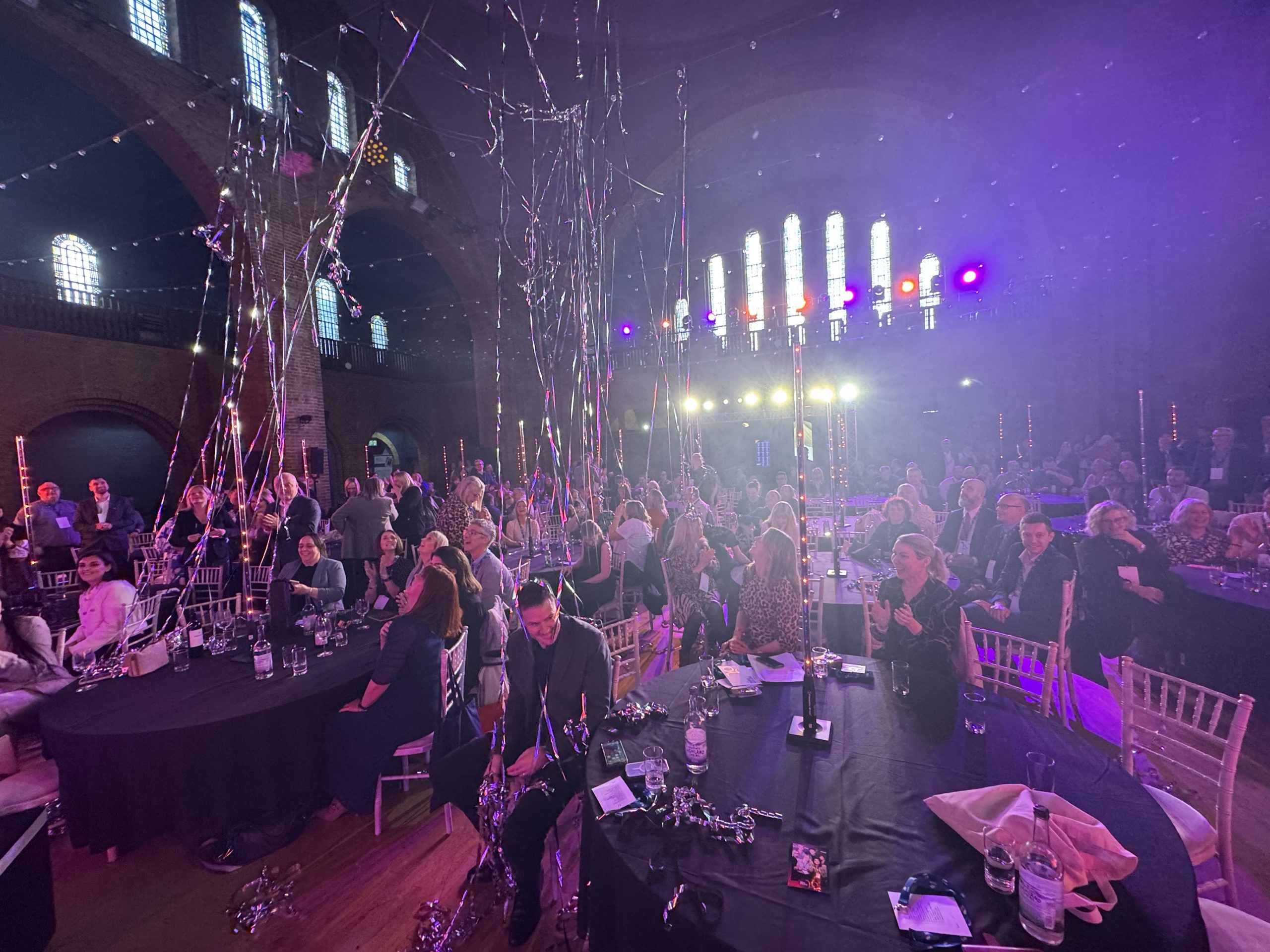
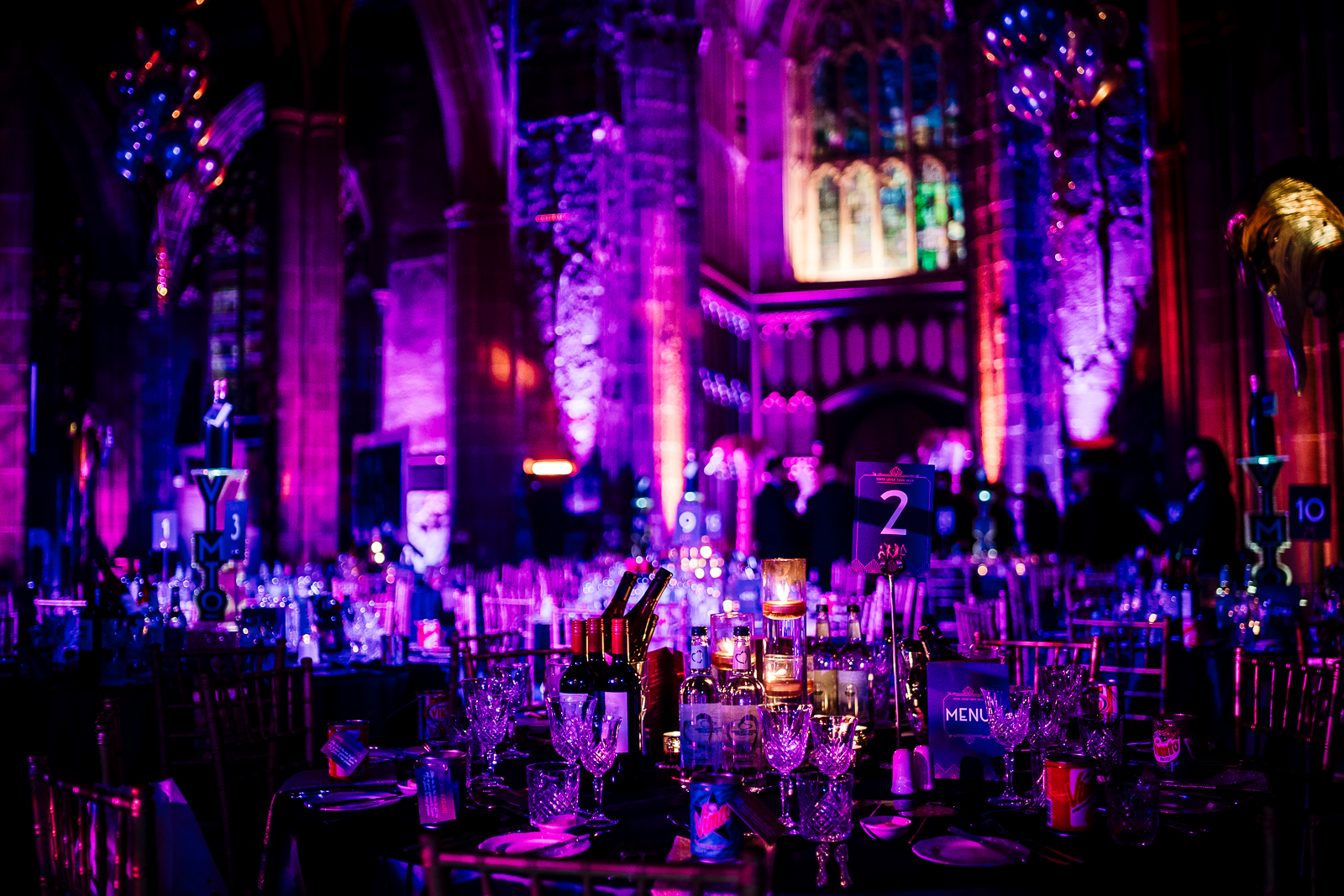
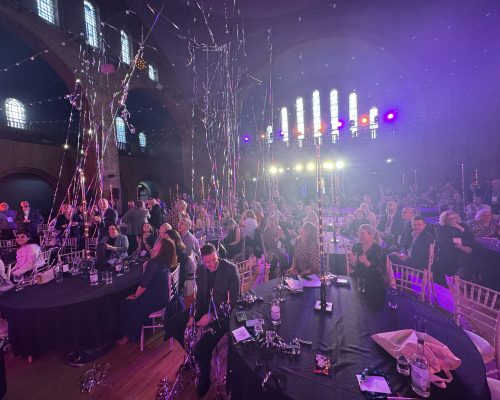
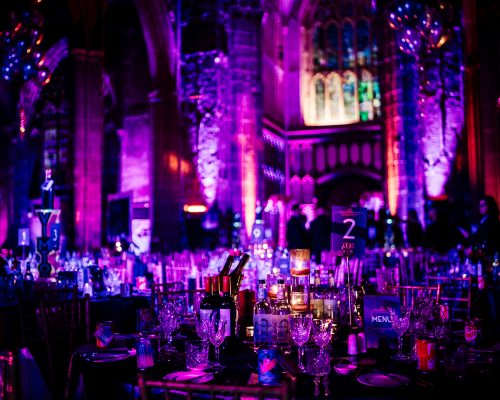
Think honestly about whether the venue matches the tone of your awards. A heritage venue with grand architecture works beautifully for a prestigious industry awards with a formal register. A contemporary event space with clean lines and flexible production might better serve an awards night for a creative or technology sector where the culture runs less traditional.
Brand alignment matters too. If your awards have a strong visual identity – specific colours, imagery, a design language – can the venue be dressed to carry that identity? Are there elements of the venue’s own look that would conflict, or surfaces and structures that would limit what is possible with your production design?
Location and guest logistics
An awards night asks guests to travel, often after a working day, sometimes across significant distances. The easier you make that, the better attended and the more positively experienced your event will be.
Transport links. Central city locations with good public transport connections remove friction for guests who do not want to drive. If you are considering an out-of-city or more rural venue, the guest logistics need to be actively managed – shuttle buses, preferred taxi arrangements, and clear travel guidance all help.
Parking. For guests who are driving, adequate nearby parking matters. Understand whether the venue has dedicated parking, what the arrangement is with nearby car parks, and whether any discounted or validated parking can be arranged.
Accommodation. For guests travelling from further afield, or for those who intend to make a full evening of it, nearby hotel options are worth considering. Some venues have an accommodation component; others can arrange preferential rates with nearby hotels. This is particularly relevant for larger national awards where delegates will be coming from across the UK.
Accessibility. Ensure the venue is fully accessible for guests with mobility requirements – not just technically compliant, but genuinely practical. This includes the arrival process, access to all areas of the evening, and the experience within the room itself.
about our venue finding service
Questions to ask your venue
When you are speaking to venues, go beyond the standard enquiry. The answers to these questions will tell you a great deal:
- What is your maximum banqueting capacity in a round-table layout with a full stage set?
- What are your rigging points, at what load capacity, and where are they positioned?
- Do you require us to use your in-house AV supplier, or can we bring our own production team?
- What is the load-in access like, including vehicle access, lift capacity, and any time restrictions?
- What is your kitchen’s maximum covers for a plated dinner service?
- What is your curfew, and is there any flexibility?
- What have you hosted before that is comparable to what we are planning?
That last question is particularly revealing. A venue that has produced large-scale awards nights before will answer it with specific examples and genuine confidence. One that has not will hedge.
When to use a venue finder
If you are spending meaningful time going back and forth with venues, shortlisting options, visiting spaces, and negotiating terms – all while also planning the rest of the event – it is worth considering whether a venue finding service saves you time and money.
A specialist venue finder has existing relationships with venues, knows which spaces genuinely work for awards formats, and can often secure better rates and terms than a direct booking. They understand the technical requirements well enough to ask the right questions on your behalf, and they filter out the venues that look appealing on a website but would not actually suit your brief.
At Make Events, our venue finding service works alongside our full event production capability. Whether you need support at the venue stage only, or want us to manage the entire awards evening from creative concept to post-event wrap, we can work at whatever level makes sense for you.
Get in touch with Make Events to talk through your awards night venue search.